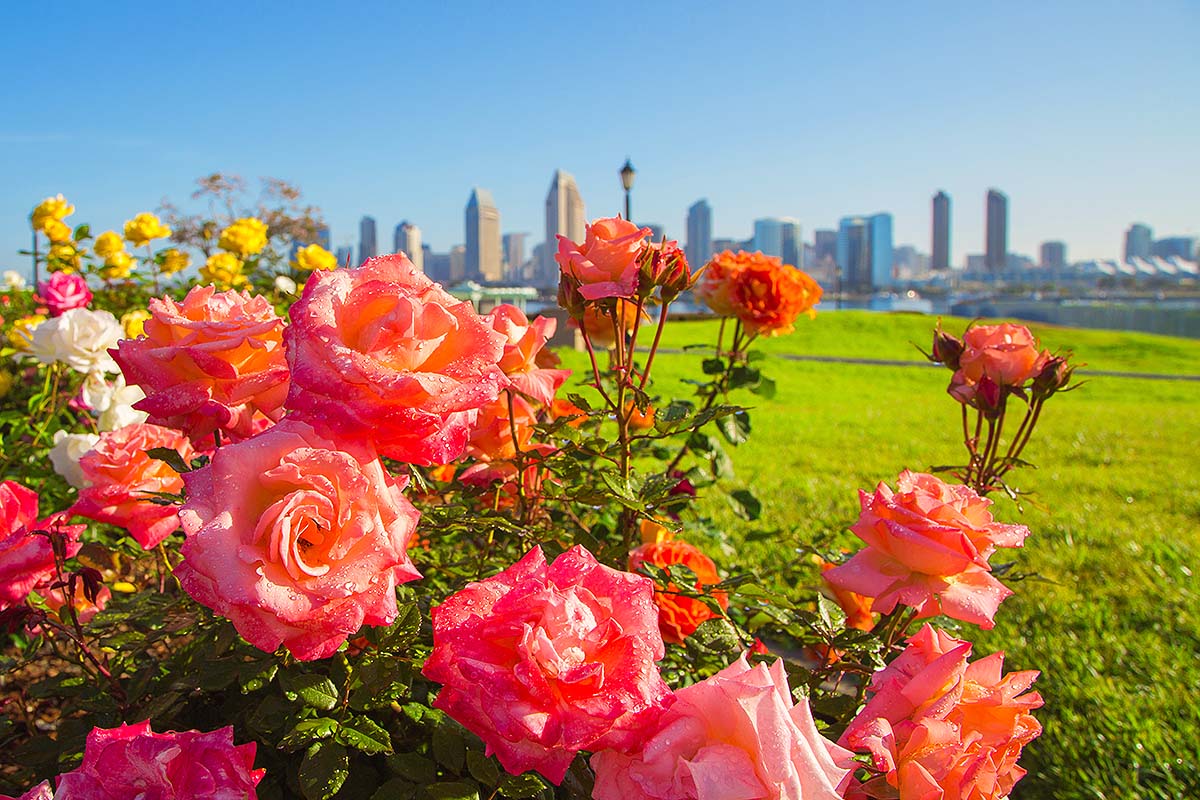
When visiting the oldest European settlement in all of California, keep in mind that you are in a city loaded with rich history and stories around every corner.
A huge influence to the lifestyle of the American West, visit the San Diego historical landmarks that stand proudly as a remembrance of a time that was simultaneously simpler and absolutely riveting. Tourists have a myriad of museums, monuments and other historic San Diego sites at their disposal, each offering a unique variety of tours and experiences, like the Whaley House Museum, America’s most haunted house®.
All this and more awaits throughout the historic places of San Diego
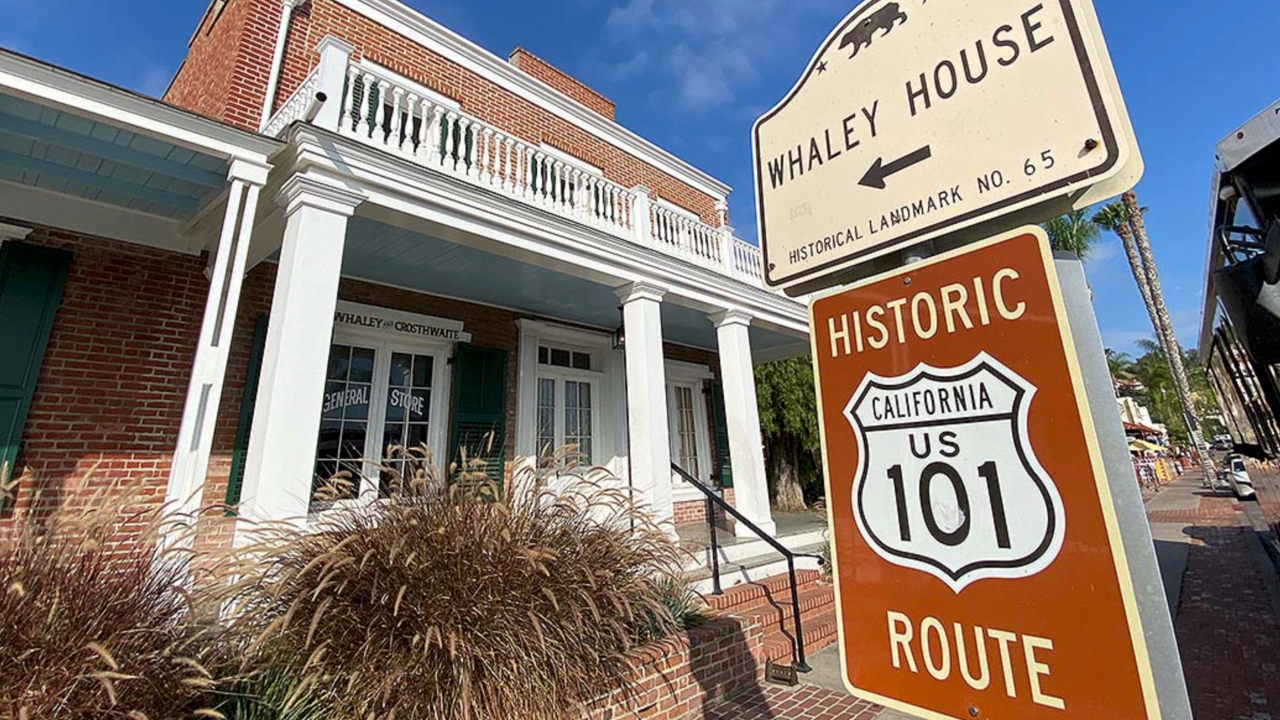
Whaley House Museum
Built in 1857, the Whaley House is one of the most famous San Diego historical sites and a National Historic Landmark. Thomas Whaley designed it himself using bricks from his own kiln, making it one of the city’s first modern brick homes. Over the years, it served as a courthouse, general store, and theater before becoming a family residence again. The home is also known for its ghost stories, with visitors and staff reporting mysterious footsteps and cold spots. Daytime tours focus on history and architecture, while evening visits share the house’s eerie reputation, giving guests two ways to experience this iconic site.
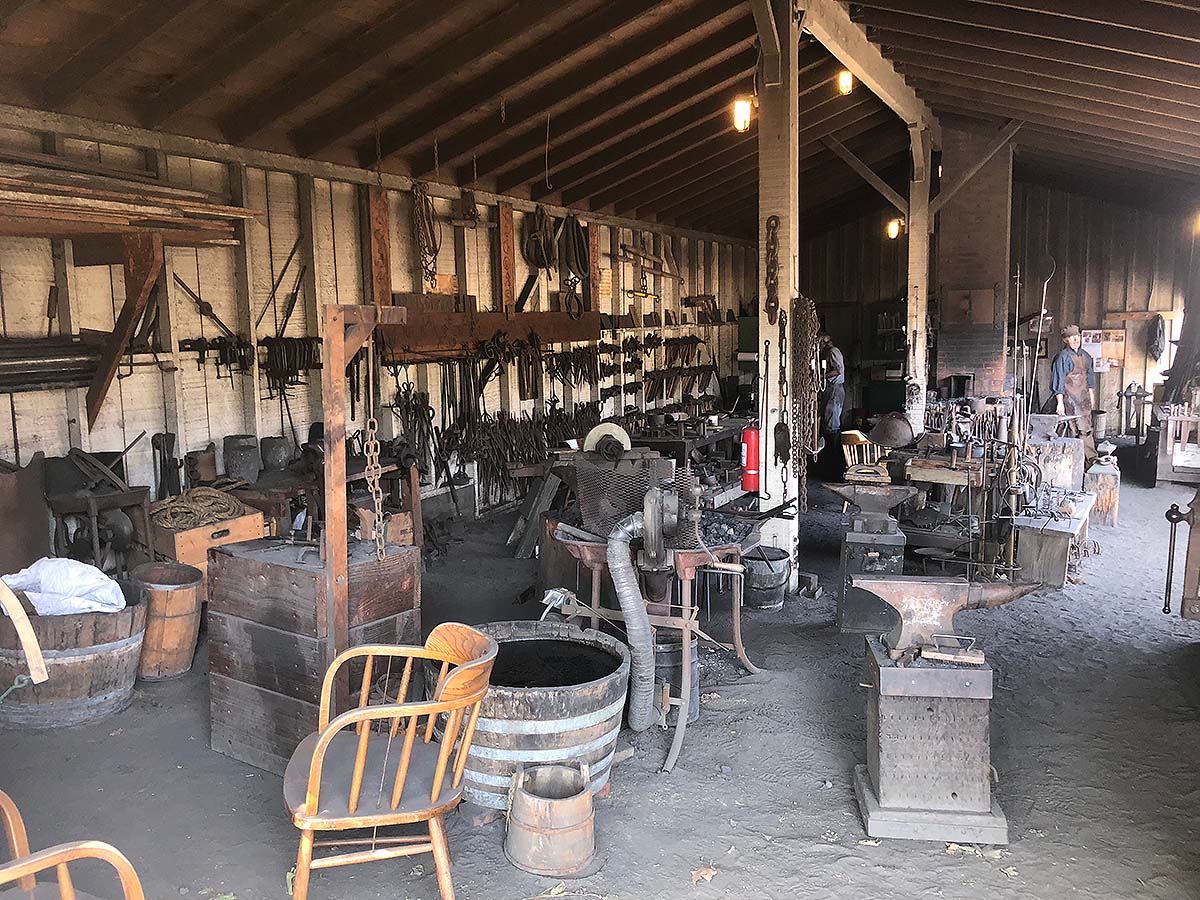
Blackhawk Livery Stable
Opened in 1868, this working exhibit helps visitors picture the days when stagecoaches carried passengers and goods through the desert to Los Angeles. Inside, you can see tools used for shoeing horses and repairing wagons, along with original carriages from the 19th century. The smell of wood and iron adds authenticity, reminding guests that these San Diego historical sites once played a vital role in keeping the region connected.
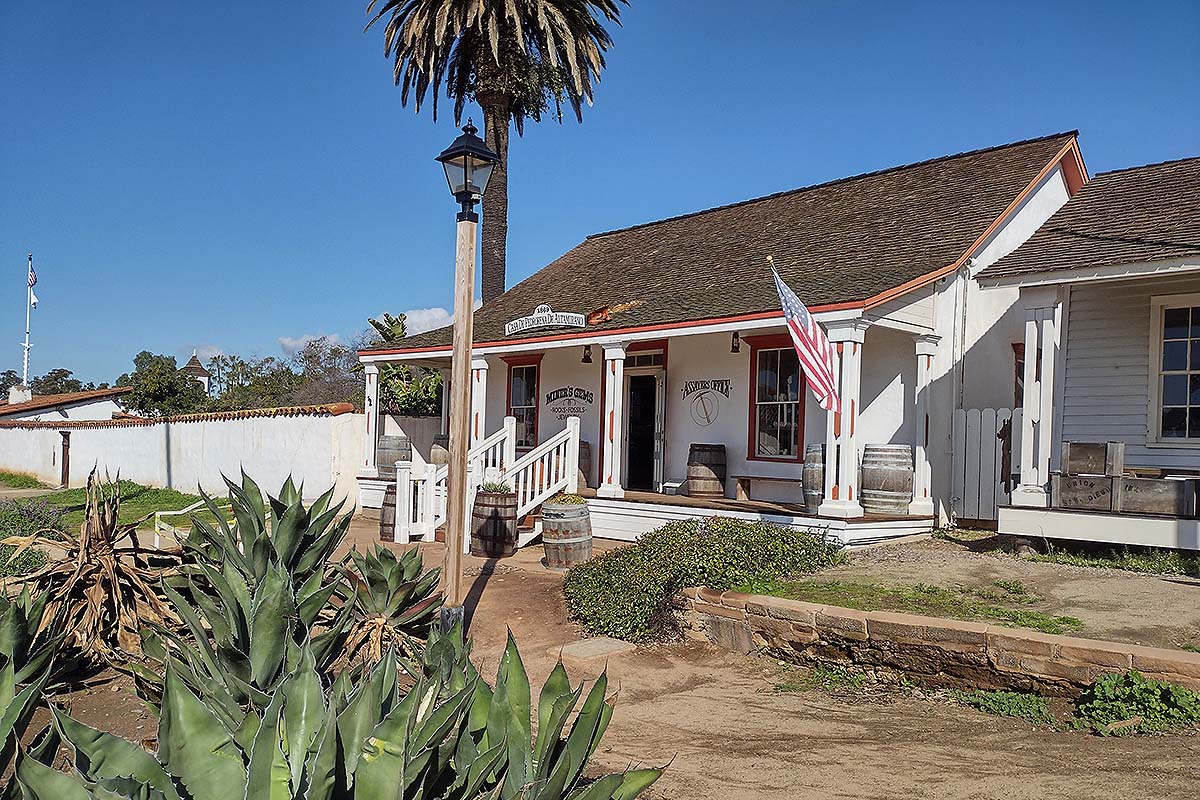
Casa de Pedrorena
Casa de Pedrorena, built in 1869, was the final adobe home constructed in Old Town. It belonged to a family of early settlers who were known for their generosity and involvement in local politics. The home’s thick adobe walls, wooden beams, and clay roof reflect both Spanish and Mexican influences. Visitors can step inside and see how families lived during a time when San Diego was still a small frontier community.

Casa Del Rey Moro African Museum
Located near Old Town, the Casa del Rey Moro African Latin Museum highlights 6,000 years of African history and its global influence. Exhibits include artifacts, textiles, and artwork that explore the cultural connections between Africa, Latin America, and Spain. Visitors can learn how African heritage helped shape the music, religion, and food traditions found throughout the Americas. This San Diego historical site adds depth to the city’s multicultural story, showing how people from around the world contributed to its identity.
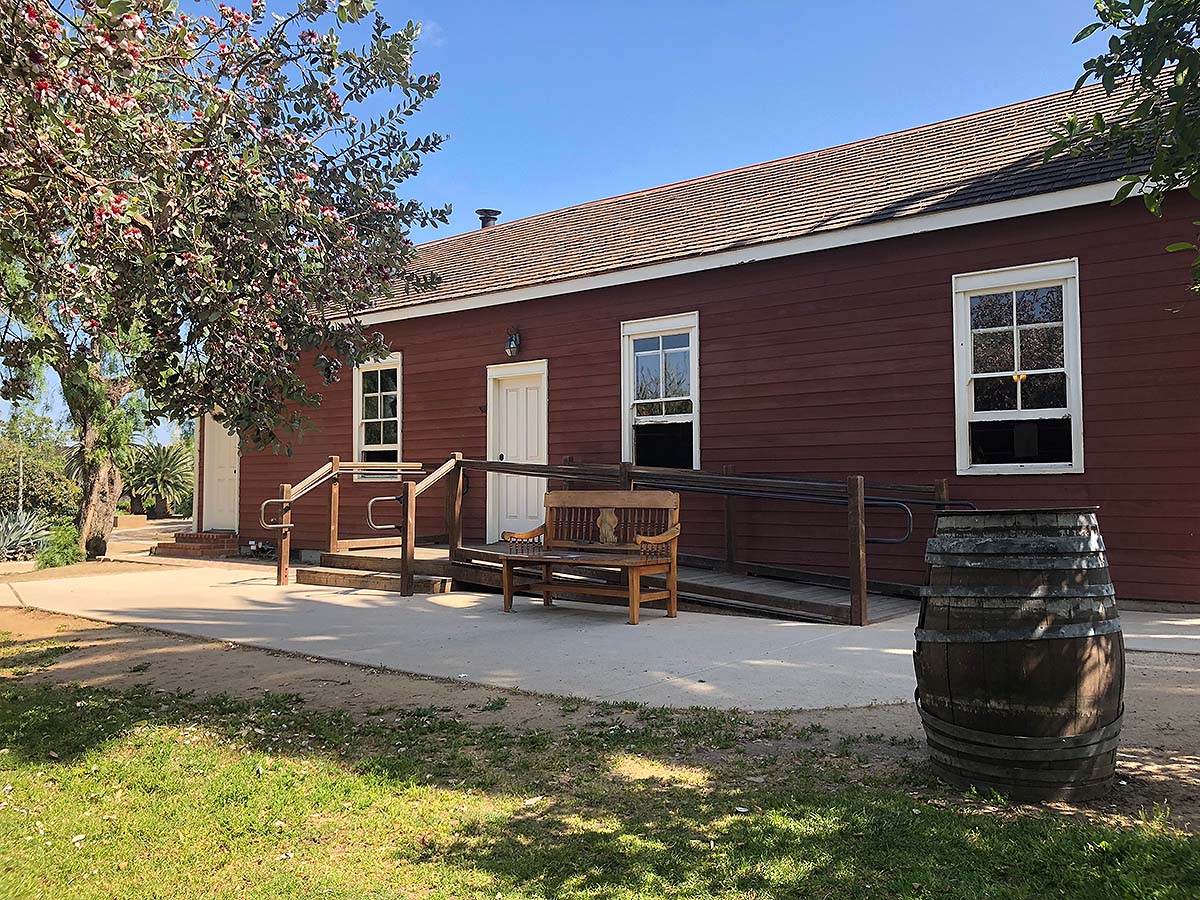
Mason Street Schoolhouse
A historical landmark of unparalleled significance, the Mason Street Schoolhouse was the first publicly owned school in San Diego County. Built in 1865, the single-room building is where all eight grades were taught. With access to public education in the 19th century being such a rarity on the western frontier, the Mason Street Schoolhouse is one of the historical places where visitors can stand in a space that propelled America forward starting nearly two centuries ago. See a sample lesson plan inside the museum and try to imagine what the experiences of those before us were like. Learn about the history of education while always expanding your own at the Mason Street Schoolhouse.
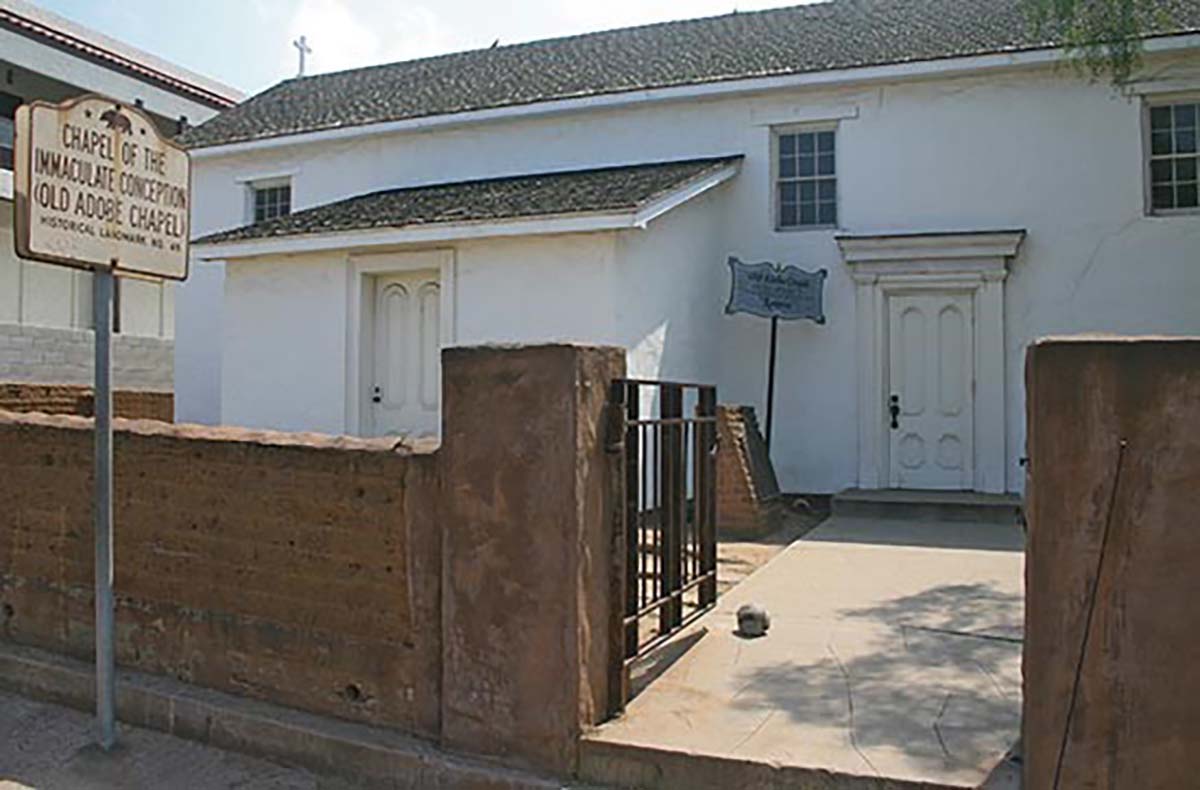
Adobe Chapel
Built as a home in 1850 and repurposed into a chapel in 1858 by José Aguirre, the Adobe Chapel of today was rebuilt in 1937. A quaint reminder of the architectural styles of the 18th century, many of the original artifacts remain intact on the inside, such as the woodwork of the pews. Peruse the humble yet elegant decor of the Adobe Chapel, the simplistic outside walls like a canvas, the glow of the candlelit sconces, and the intricate woodwork of the balcony railing. A visit to the Adobe Chapel is sure to increase your appreciation for the remarkable work of artisans of past and present. The Adobe Chapel is currently closed for restoration work.
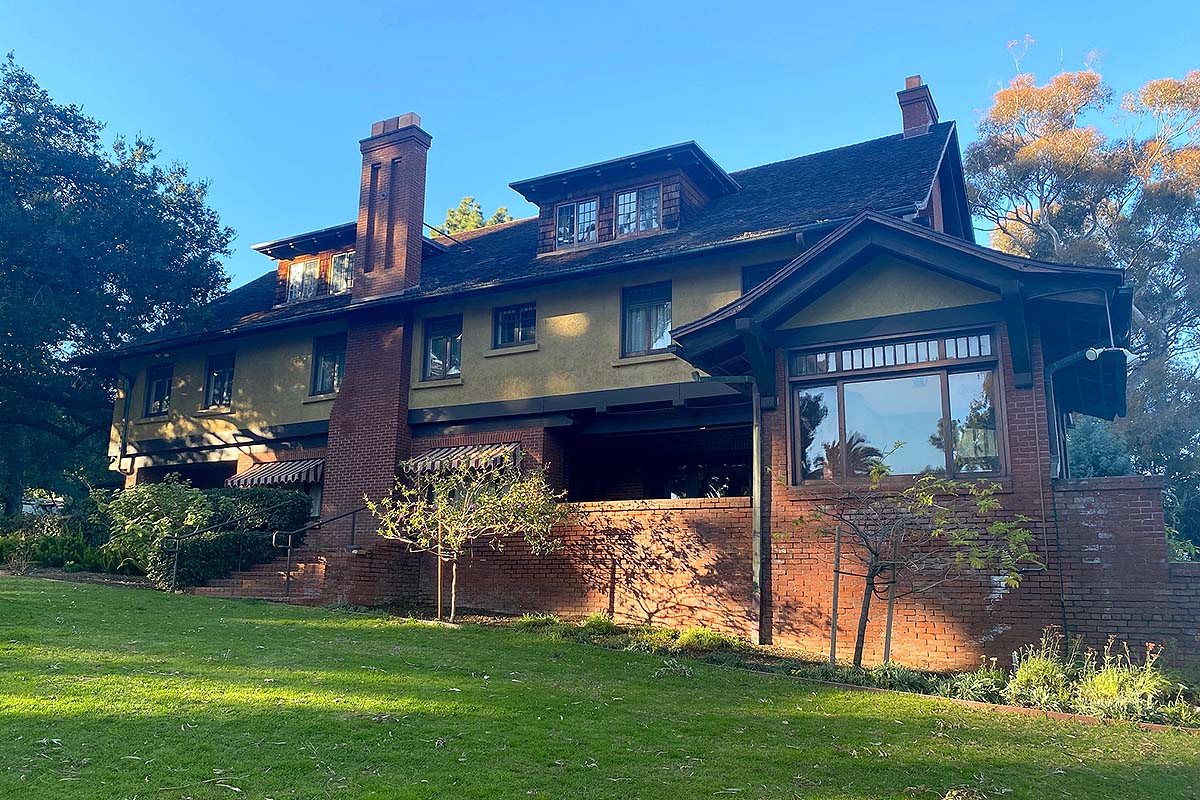
Marston House
The Marston House, built in 1905, stands as one of San Diego’s best examples of Arts and Crafts design. Architect Irving Gill created the home for George W. Marston, a civic leader who helped preserve Old Town and Balboa Park. The home’s natural materials, broad porches, and handcrafted woodwork reflect Marston’s belief in simple, honest architecture. Visitors can tour the house and its 5 acres of gardens filled with roses, palm trees, and native plants. The Marston House Museum Shop nearby also sells local crafts and history books.
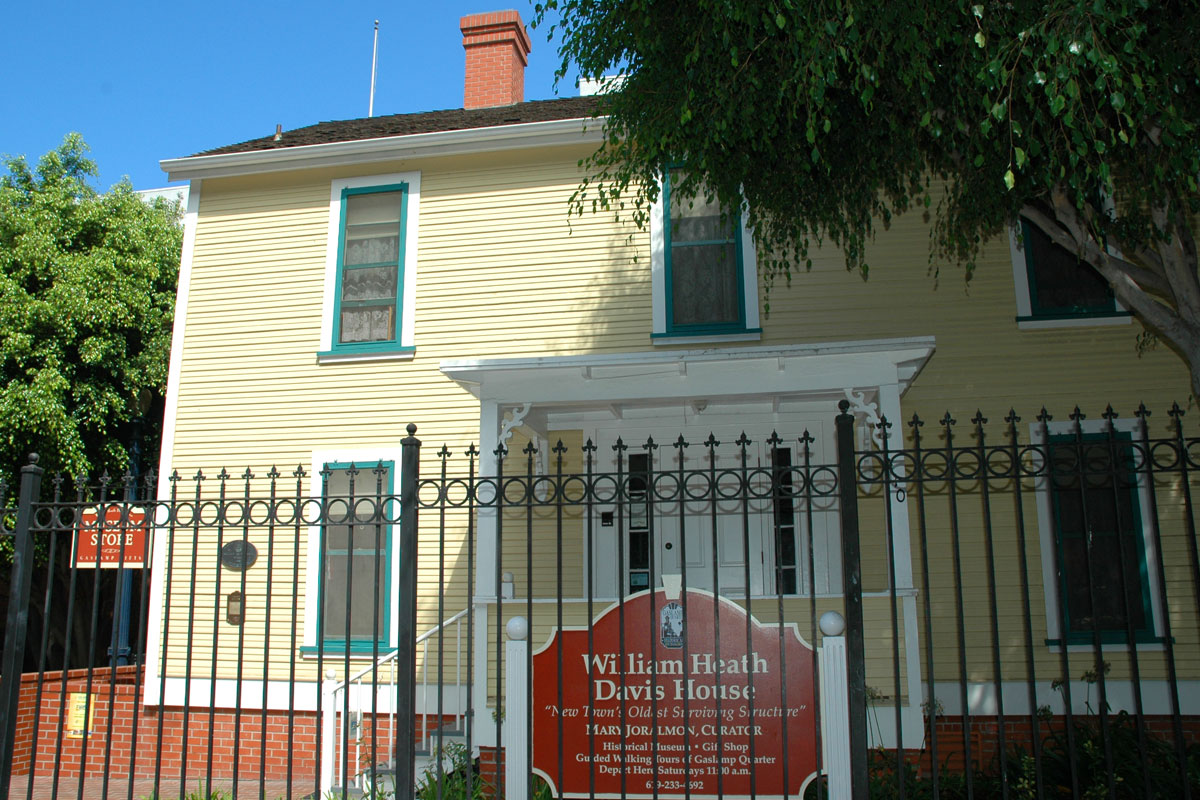
Davis-Horton House
Built in 1850, the Davis-Horton House is the oldest standing structure in downtown San Diego. It once served as a hospital for Union soldiers during the Civil War and later became a family home and boardinghouse. Today, it’s home to the Gaslamp Museum, which features exhibits about early city life and the development of the surrounding district. Visitors can walk through its restored rooms filled with antiques and photographs or join a guided tour to hear stories of the people who once lived there. It’s also known for its ghost tales, making it one of the most talked-about San Diego historical sites after dark.
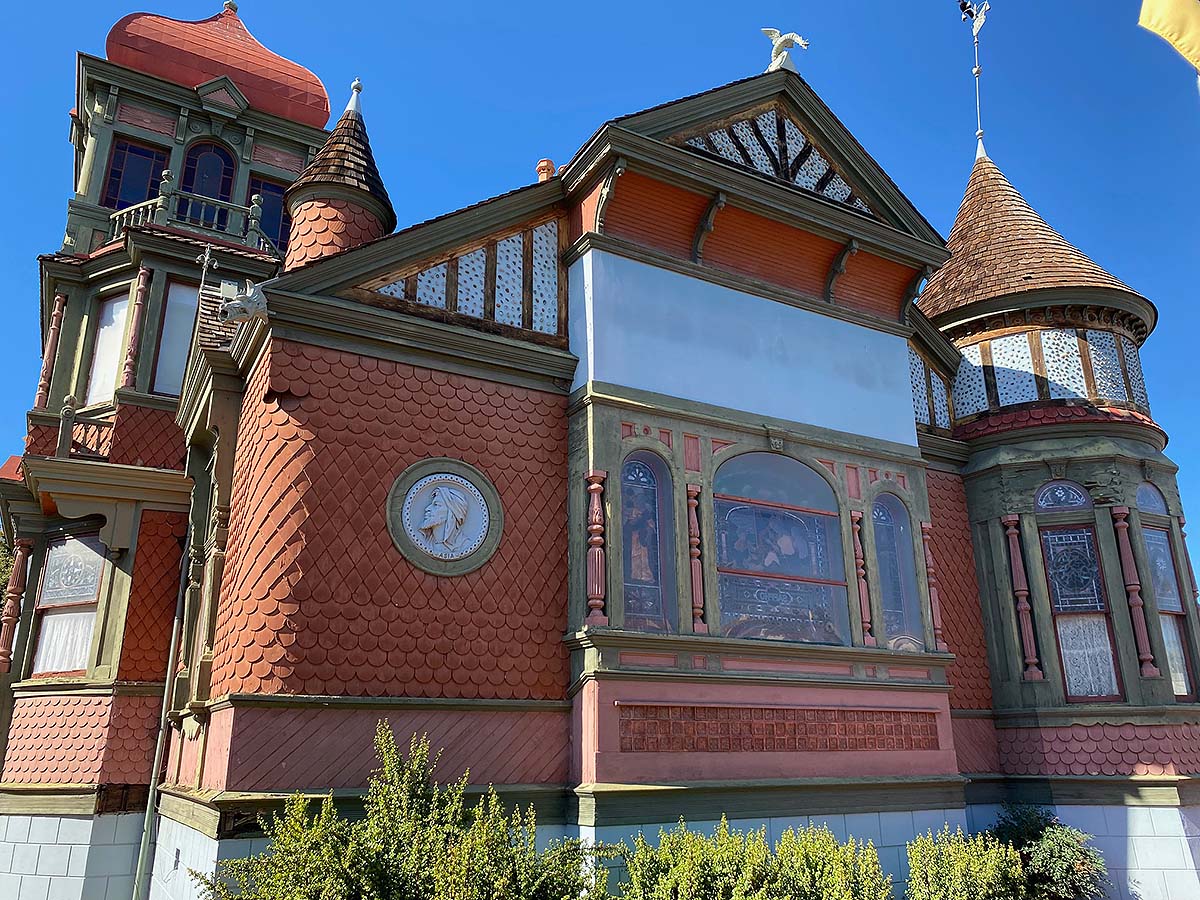
Villa Montezuma Museum
The Villa Montezuma Museum in Sherman Heights looks like something out of a storybook. Built in 1887 for writer and musician Jesse Shepard, this Queen Anne-style mansion features colorful stained glass, dramatic towers, and ornate woodwork. Shepard hosted concerts and séances here, which helped fuel the home’s mysterious reputation. Today, visitors can tour the interior and hear about Shepard’s fascinating life and the restoration work that saved the house from neglect.
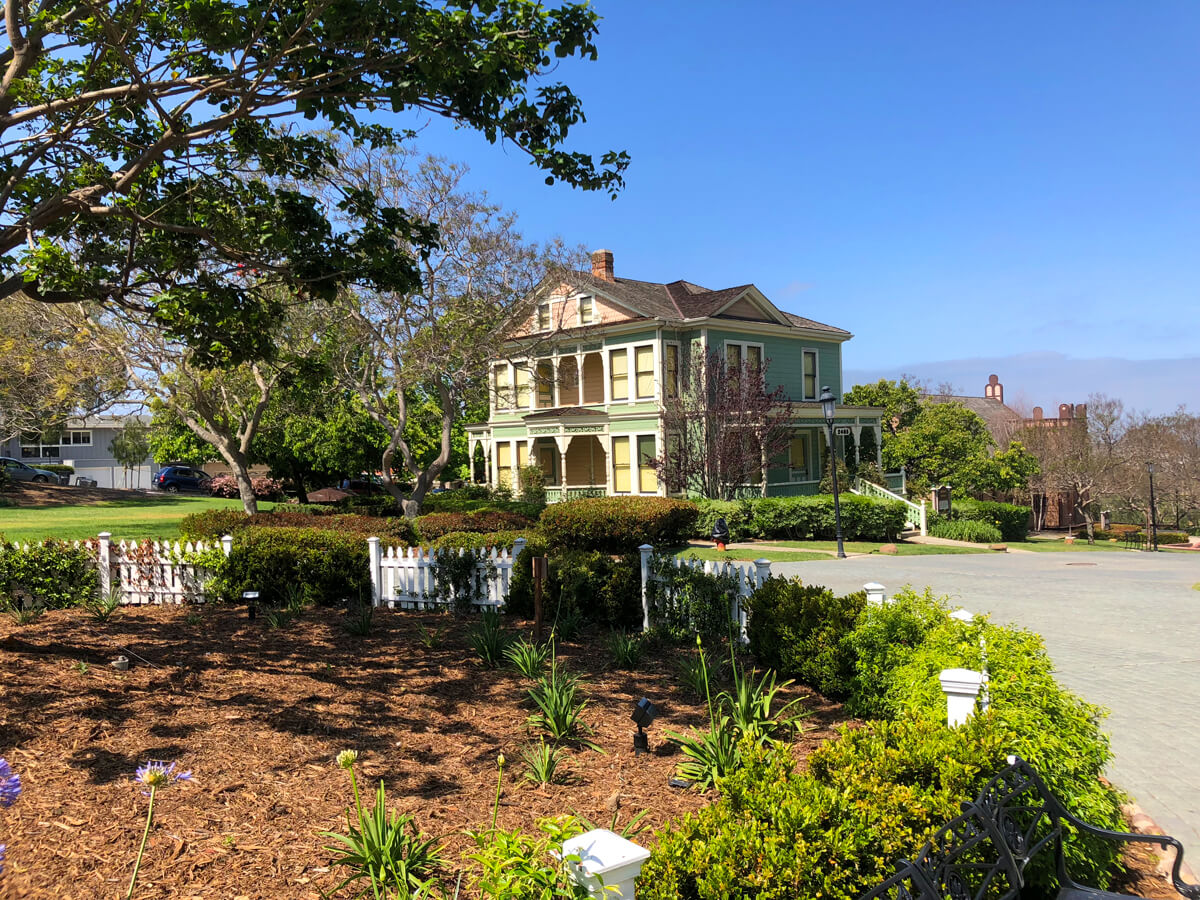
Heritage County Park
Heritage County Park sits on a hill just above Old Town and tells another part of San Diego’s story. In the 1970s, the city moved several Victorian homes here to protect them from demolition. Each home was restored to its original design, creating a small neighborhood that shows what upper-class life looked like at the end of the 19th century. The bright paint colors, tall windows, and detailed trim show the pride residents once took in their craftsmanship.
Each house in the park is named for its original owner, including the Bushyhead House and the Sherman-Gilbert House, both built by well-known local families. Visitors can walk the tree-shaded paths, admire the homes up close, and imagine the lives of those who once lived inside. The park is also home to Temple Beth Israel, San Diego’s first synagogue, built in 1889. It was the center of religious and social life for the city’s early Jewish community and still hosts occasional public events today.
Heritage County Park offers a quiet space to relax while learning about San Diego’s growth from a small town to a thriving city. Its collection of preserved homes and landmarks helps visitors see why these San Diego historical sites remain such an important part of local culture.
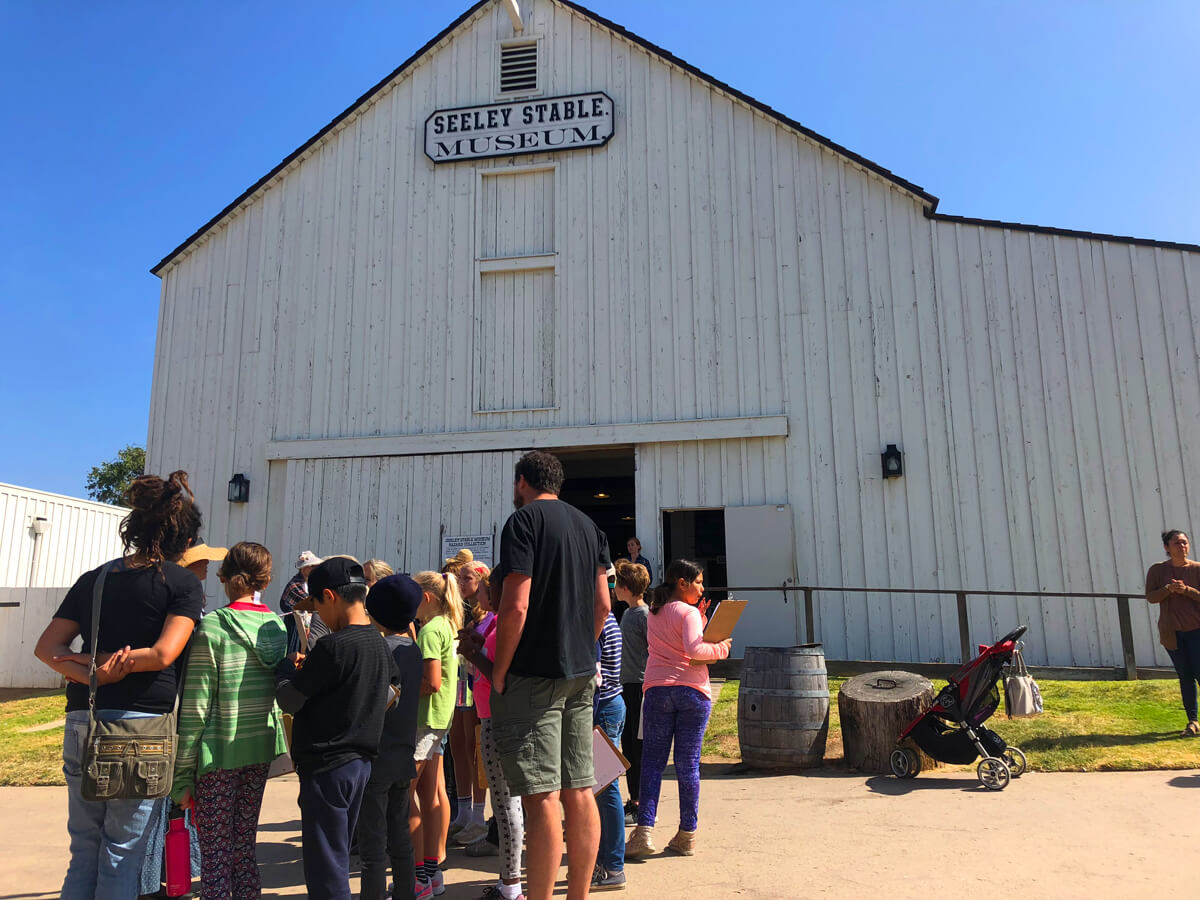
Seeley Stable Museum
Learn the story of Albert Lewis Seeley, a stagecoach driver who arrived in San Diego in 1867. Seeley was a pioneer of the mail lines run out of San Diego between Los Angeles, Texas and more. A museum perfect for those fascinated by the history of stagecoach travel, the Seeley Stable museum is one of a handful of historical places that are absolutely free to visit. Observe a variety of original stagecoaches and learn the nuances of Seeley’s routes between cities. Enjoy the peace and quiet of the Seeley Stable Museum during your next visit to San Diego.
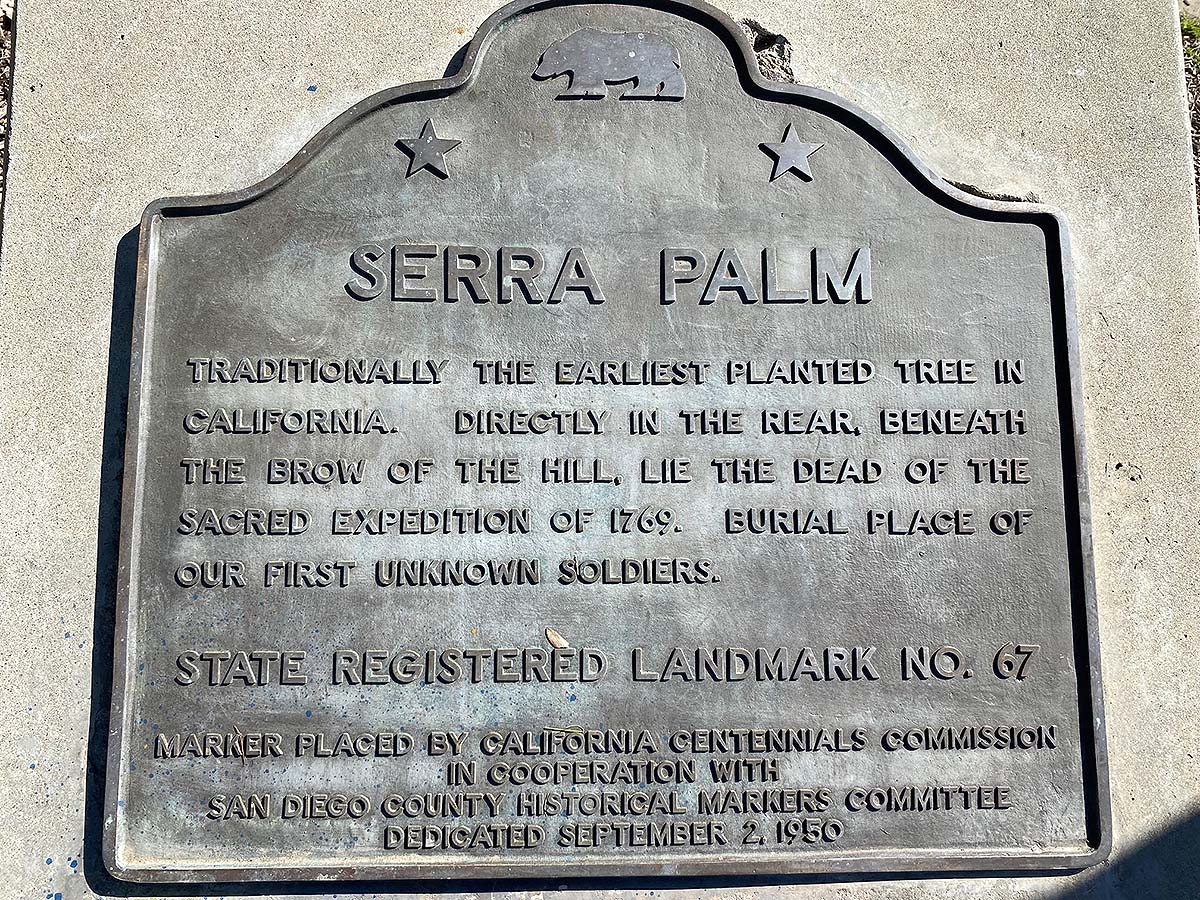
Serra Palm Site
Visit the the site of the palm planted in 1769 by Padre Junípero Serra upon his arrival in San Diego, marking the start of the most famous and notable trail in San Diego — El Camino Real. Absolutely free of charge, stand before one of the historical landmarks dating back to the 18th century, telling a major part of the story of Spanish settlement in California. The meeting site of the four divisions of the Portolá expedition, the Serra Palm Site is a historical landmark that signifies the changing of this continent forever.
How Do San Diego’s Historic Parks and Neighborhoods Connect Its Story?
San Diego’s history lives not just in museums but also in the neighborhoods and parks that preserve its character. Balboa Park remains one of the city’s most visited landmarks, filled with gardens, open plazas, and architectural treasures built for the 1915 Panama-California Exposition. The Spanish Colonial Revival buildings, with their carved stone façades and tiled roofs, make this one of the most recognizable San Diego historical sites. Visitors can explore the park’s free areas or visit museums like The San Diego Museum of Art and the Museum of Us. Live performances often fill the air with music, reminding guests that history and community go hand in hand here.
Just a few miles away, the Gaslamp Quarter tells a more recent chapter of San Diego’s past. Once known for its lively saloons and rowdy nightlife in the 1800s, the district is now a historic area filled with restored buildings, restaurants, and galleries. The cast-iron storefronts, bay windows, and Victorian façades make it easy to imagine the city’s early days. Visitors can explore on foot or see it aboard Old Town Trolley Tours®, where friendly and knowledgeable guides share stories about the colorful characters who once walked these same streets.
Why Are San Diego Historical Sites Worth Visiting?
San Diego’s past is written in the walls of its homes, the arches of its churches, and the cobblestone streets of Old Town. Each neighborhood offers its own piece of the city’s story. For history lovers, families, and anyone curious about the past, these locations bring San Diego’s story to life in a way that books and pictures never can. The buildings and parks stand as reminders that every era, every culture, and every person left something lasting behind.
FAQs
Q: What is iconic to San Diego?
San Diego is known for its sunshine and ocean views, but it also stands out for its history. The city is called the birthplace of California and is home to many of the most visited San Diego historical sites. The Whaley HouseSM Museum in Old Town draws visitors for its stories of early family life and unexplained events. The Gaslamp Quarter shows how the city grew in the late 1800s, with restored Victorian buildings that now hold restaurants and museums. Landmarks such as Mission San Diego de Alcalá and the Davis-Horton House also help tell the story of how the community began.
Q: What is the oldest place in San Diego?
Old Town is the oldest part of the city, founded in 1769 as the first permanent European settlement on the West Coast. It shows what life was like in the early days of Spanish and Mexican rule. Visitors can explore Old Town San Diego State Historic Park, where museums and restored adobes line the plaza. The Whaley House Museum also stands nearby, offering a glimpse into daily life during the 1800s. Walking through Old Town feels like stepping back in time and helps visitors understand how all San Diego historical sites began.
Q: What year did San Diego become a city?
San Diego became an official U.S. city on March 27, 1850, soon after California joined the Union. Many San Diego historical sites still date from that time, showing how the settlement grew into a thriving town. Visitors can see this history in landmarks like the Mason Street Schoolhouse, the first public school in the county, and the Marston House in Balboa Park, which highlights early 20th-century architecture. A walk through Old Town or the Gaslamp Quarter brings that founding year to life.
Q: Who were the first people of San Diego?
Before European settlers arrived, the area was home to the Kumeyaay people, also known as the Tipai-Ipai. They lived throughout what is now Southern California and Baja California for thousands of years, building strong communities near the coast and rivers. Their traditions, language, and craftsmanship continue to shape local culture today. Visitors can learn about their heritage at the Lipay ~ Tipai Kumeyaay Mut Niihepok Park in Old Town, where exhibits share their story. This site, along with nearby museums and cultural programs, is an important part of San Diego historical sites, helping preserve the Kumeyaay’s deep connection to the region.
Q: What are the best ways to explore San Diego historical sites?
The easiest way to see San Diego historical sites is by combining walking and guided tours. Old Town Trolley Tours is a great choice because it offers hop-on, hop-off access, live narration, and friendly guides who share stories at every stop. Visitors can explore Old Town, Balboa Park, and the Gaslamp Quarter all in one day without worrying about parking or directions. Many guests also visit the Davis-Horton House, The Whaley House Museum, and the Villa Montezuma Museum for a closer look at local life in the past.