The Whaley House is structurally unique because it was the very first two-story mansion in Southern California constructed entirely out of locally made bricks rather than traditional Mexican adobe. Thomas Whaley created his own brick kiln on the property in 1857 to craft the durable building materials. This innovative construction method represented a massive shift toward permanent brick architecture in early San Diego.
Long before developing into a bustling modern metropolis, San Diego grew from a Spanish maritime landing into a rugged frontier municipality and cultural center. Starting your journey at The Whaley House Museum in Old Town provides an essential anchor for understanding local history, allowing visitors to step inside Southern California’s first brick mansion to explore 19th-century civic administration, early commerce, and domestic life before discovering the city’s other iconic historic sites.
Why Experience San Diego History at the Whaley House?
- Southern California’s First Brick Mansion: Walk through the region’s first two-story brick residence, constructed in 1857 by Thomas Whaley using bricks fired in his own on-site kiln.
- Flexible Tour Formats: Choose from self-guided daytime exploration with docents on hand, an exclusive limited-capacity behind-the-scenes guided tour, guided evening tours, or after-hours paranormal investigations with ghost-hunting gear.
- Multifaceted Civic Heritage: Discover a restored Greek Revival landmark that served as San Diego County’s official courthouse, the city’s first commercial theater, and a bustling general store.
- Ideal Old Town Launchpad: Begin your heritage walk in walkable Old Town San Diego State Historic Park, surrounded by historic buildings and courtyard gardens.
Famous San Diego Landmarks and Historical Points of Interest
- The Whaley House Museum: Tour the parlor, family bedrooms, the 1869 county courtroom, the 1868 Tanner Troupe Theater, and the pioneer general store filled with original family artifacts and period furnishings.
- Cabrillo National Monument: Take in sweeping bay views from Point Loma near the stone statue commemorating Juan Rodríguez Cabrillo’s historic 1542 landing aboard the San Salvador and Victoria.
- Old Point Loma Lighthouse: Explore the restored 1855 Cape Cod-style light station and keeper’s quarters, decommissioned in 1891 after coastal fog routinely concealed the upper lantern room from mariners.
- Balboa Park: Wander 1,200 acres of cultural grounds featuring Bertram Goodhue’s Spanish Colonial Revival architecture along El Prado, the Botanical Building reflecting pool, and grand venues from the 1915 and 1935 expositions.
- Gaslamp Quarter: Stroll through 16-and-a-half historic blocks of restored late-Victorian facades and period gas lamps, once known for Alonzo Horton’s New Town and the infamous Stingaree saloon district frequented by Wyatt Earp.
Beyond the Beaches: San Diego’s Living History
San Diego holds a unique place in the story of the American West as the birthplace of California. Long before modern visitors flocked to the sandy shores or explored world-renowned surf breaks, diverse cultures and courageous pioneers gathered here. The area served as a focal point for maritime exploration, early trade routes, and pivotal civic milestones that forever transformed the West Coast.
Beyond the famous coastline, structural icons and historic grounds preserve the memories of early settlers, civic leaders, and cultural visionaries. Traveling through these preserved areas offers a direct connection to the individuals and events that shaped the West Coast. This comprehensive guide highlights the famous San Diego landmarks that anchor the city’s rich narrative and showcase San Diego history.

Cabrillo and Point Loma
Perched on the windswept heights of the Point Loma peninsula, Cabrillo National Monument is one of the top historic landmarks in San Diego. This vantage point overlooks San Diego Bay, downtown, and the Pacific Ocean, offering an ideal location to contemplate the beginning of West Coast exploration.
The Historic 1542 Landing
In September 1542, Iberian navigator Juan Rodríguez Cabrillo led a Spanish expedition into San Diego Bay, marking the very first time a European expedition set foot on the West Coast of the United States. Cabrillo claimed the bay for Spain, naming it San Miguel, and initiated the recorded history of European exploration in California.
The monument erected in his honor celebrates this landmark voyage. Standing near the stone statue of Cabrillo allows visitors to look out across the harbor waters where his wooden ships, the San Salvador and the Victoria, dropped anchor nearly five centuries ago. This milestone forever connected Southern California to global maritime history.
The Old Point Loma Lighthouse
On the highest peak of the peninsula is the Old Point Loma Lighthouse, constructed in 1855. Built shortly after California achieved statehood, this classic Cape Cod-style structure represents one of the earliest public works projects completed by the United States government on the West Coast.
The lighthouse served mariners for 36 years, yet its elevated location posed a unique operational challenge. Low-hanging coastal fog frequently enveloped the light tower, obscuring the heavy lens from ships navigating the harbor entrance below. In 1891, officials decommissioned the upper tower and constructed a new light station closer to the water’s edge. Today, the restored 1855 keeper’s quarters and lantern room provide an engaging glimpse into 19th-century lighthouse living and early maritime navigation, establishing it among the most famous San Diego landmarks.

The Whaley House
Located in the center of Old Town San Diego State Historic Park, The Whaley House,SM Museum – America’s Most Haunted House® serves as a cornerstone of 19th-century heritage. Designed and built by pioneer Thomas Whaley in 1857, this historic residence represents a pivotal moment in early California settlement and civic expansion.
Southern California’s First 2-Story Brick Mansion
Thomas Whaley constructed the estate using bricks fired directly in his nearby kiln along San Diego Avenue. The finished mansion became the first two-story brick structure built in Southern California. The residence stood in sharp structural contrast to the surrounding single-story adobe buildings, signaling a bold new era of permanent brick construction.
The classic Greek Revival architecture reflected the optimism of early American pioneers who envisioned a bustling metropolis emerging from a quiet frontier village. Over 160 years later, the home stands fully restored, featuring period-appropriate furnishings, original family artifacts, and authentic architectural elements that convey the daily reality of early San Diego life.

A Civic, Commercial, and Cultural Hub
The mansion fulfilled several vital public roles for the growing municipality beyond serving as the residence for Thomas and Anna Whaley and their children. In 1869, Thomas Whaley leased a section of the house to San Diego County to serve as the official county courthouse. Public records, legal disputes, and official proceedings occurred in the front room, making the home a central hub for civic administration.
The property also housed San Diego’s first commercial theater when the Tanner Troupe performance group rented the second floor in 1868. Local residents gathered inside the upstairs space to enjoy theatrical plays and musical performances.
Thomas Whaley ran a bustling general store inside the front room at various points during the home’s operational history, selling dry goods, hardware, and imported items to local citizens. This multilayered legacy makes the site an essential anchor for understanding San Diego history.
An Architectural Anchor of Old Town
Visiting the home provides immediate insight into the daily routine, social structure, and legal proceedings of frontier California. The transition of San Diego from a remote Mexican pueblo into a thriving American municipality unfolded right inside these rooms.
Preservation efforts led by the Historic Tours of America® team ensure that every room honors the legacy of the Whaley family and early San Diegans. Visitors exploring the parlor, bedrooms, and court space gain an authentic perspective on 19th-century life, confirming the home’s status among the essential historic landmarks in San Diego.

Balboa Park
Spanning 1,200 acres near downtown, Balboa Park serves as the cultural heart of the region. This sprawling urban park houses dozens of world-class museums, performing arts venues, lush botanical gardens, and scenic walking trails, making it one of the most prominent San Diego landmarks.
The 1915 Panama-California Exposition
The park’s transformation began when civic leaders selected the site to host the 1915-1916 Panama-California Exposition. The international event celebrated the opening of the Panama Canal and showcased San Diego as the first American port of call for ships traveling north through the canal.
Master Architect Bertram Goodhue oversaw the design of the fairgrounds, introducing Spanish Colonial Revival architecture to the region. The grand buildings along El Prado featured intricate plaster facades, lofty bell towers, ornate arches, tiled domes, and expansive arcades. The reflecting pool in front of the Botanical Building created a striking central vista that continues to captivate visitors today.
Reshaping San Diego’s Cultural Identity
The success of the 1915 exposition reshaped the city’s identity. The temporary exposition structures were built so exceptionally well that civic leaders chose to preserve them permanently rather than dismantle them.
The park expanded again during the 1935-1936 California Pacific International Exposition, adding additional cultural venues and architectural styles to the grounds. Today, Balboa Park remains one of the largest urban cultural parks in the nation, offering an incredible landscape where art, science, history, and nature intersect.

Gaslamp Quarter
Encompassing 16-and-a-half historic blocks in the core of downtown, the Gaslamp Quarter features a rich concentration of late 19th-century Victorian commercial architecture. This bustling historic district showcases the city’s rapid economic expansion during the late Victorian era.
Frontier Beginnings to Victorian Grandeur
Developer William Heath Davis made the first attempt to build a waterfront town in this location in 1850, though major growth began when Alonzo Horton purchased land in 1867 to create New Town San Diego. The district developed into a booming commercial corridor filled with banks, hotels, saloons, and retail shops.
The neighborhood also developed a rough-and-tumble reputation during the late 19th century. A portion of the area became known as the Stingaree district, an infamous red-light zone frequented by sailors, gamblers, and famous frontier figures like lawman Wyatt Earp, who operated saloons and gambling halls in the neighborhood. High-class Victorian hotels and elegant commercial buildings operated just steps away from these wild frontier establishments.
Historic Preservation Efforts
As business shifted northward in the mid-20th century, the district faced urban decay, and many original structures were threatened with demolition. During the 1970s and 1980s, passionate community leaders, property owners, and historic preservationists rallied to save the neighborhood.
The city established strict preservation guidelines, restored dozens of grand Victorian facades, and installed period gas lamps along the sidewalks. The district earned a listing on the National Register of Historic Places, transforming the area into a must-visit destination for dining, entertainment, and urban heritage.
The Best Way To Anchor Your San Diego Landmark Tour
Building an insightful itinerary requires focusing on the locations where pivotal decisions shaped the West Coast. Standing inside authentic structures allows history enthusiasts to experience the real environment where early citizens lived, worked, and built the community.
Starting Your Journey in Old Town
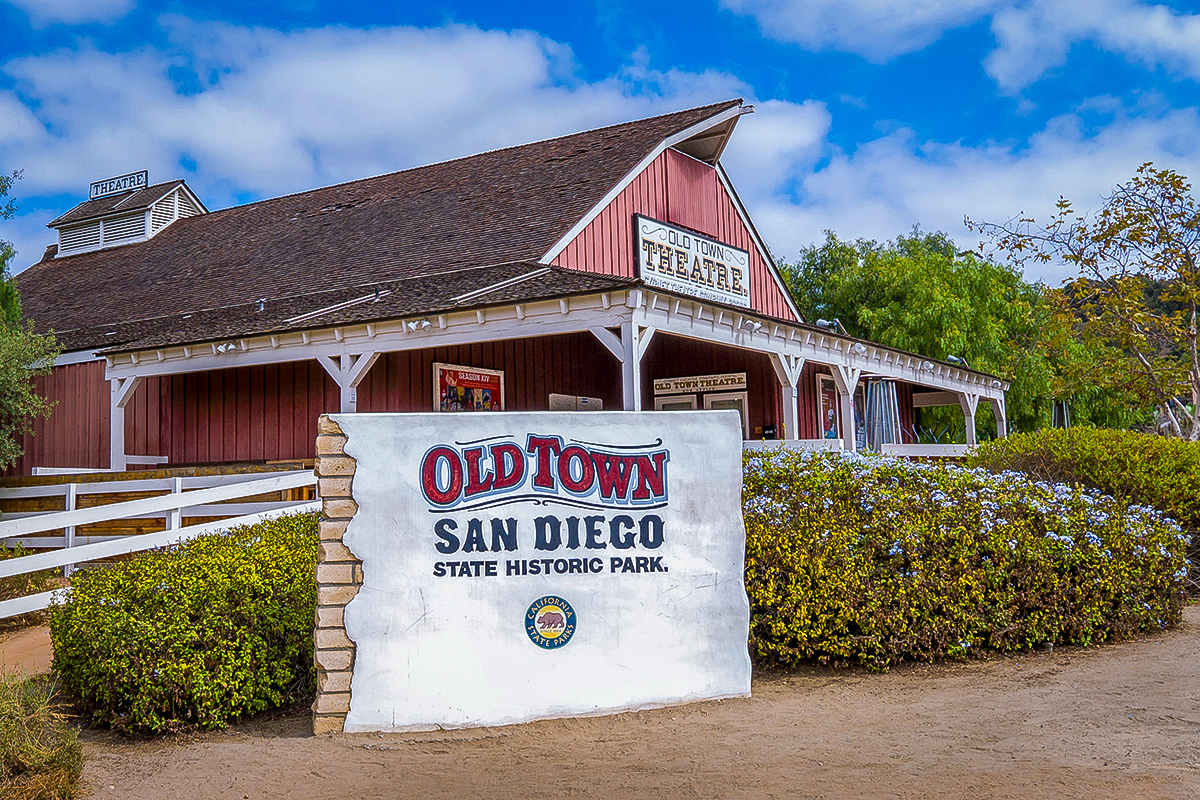
Beginning your historical exploration in Old Town San Diego provides the ideal foundation for understanding local development. As the site of early settlements, Old Town offers an accessible walkable area rich in historic buildings, courtyard gardens, and museum exhibits.
The Whaley House Museum stands as the launching pad for an Old Town heritage walk. Exploring this central site introduces visitors to early legal history, pioneer commerce, family life, and 19th-century construction techniques before they venture out to explore nearby historic structures.

Experiencing the Whaley House
Reading historical accounts provides a wonderful introduction to early California life, yet nothing compares to experiencing these preserved spaces in person. Standing inside the rooms designed by Thomas Whaley allows visitors to appreciate the exact craftsmanship and vision required to build Southern California’s first brick mansion.
The Whaley House Museum – America’s Most Haunted House offers daytime self-guided historical tours where guests can explore at their own pace, examining the courtroom, general store, parlor, and second-floor theater spaces. For visitors seeking an in-depth daytime walk through the property, the museum has an exclusive behind-the-scenes guided tour. This guided experience is limited in available tour times and capacity, providing guests with a structured, expert-led look into the architecture and the Whaley family legacy.
Guests interested in the supernatural history of the property can join evening tours or After-Hours Paranormal Investigations. These nighttime experiences allow participants to explore dimly lit corridors while learning about documented encounters with the Whaley House ghosts and using active ghost-hunting equipment.
Preserving the Spirit of the West Coast
Exploring famous San Diego landmarks offers a memorable journey through California’s early history. From Juan Rodríguez Cabrillo’s initial landing at Point Loma to the grand exposition halls of Balboa Park, the Victorian streets of the Gaslamp Quarter, and the historic brick walls of The Whaley House Museum, these structural treasures preserve the authentic stories of early settlers. Planning a visit to these historic sites reveals the enduring spirit, ingenuity, and perseverance that shaped America’s Finest City.
FAQs
Walking the landscaped grounds of Balboa Park, exploring the historic plazas, and viewing the iconic 1915 Panama-California Exposition building facades along El Prado is completely free to the public. The park offers open access to its botanical gardens, public walkways, and scenic plazas, though individual museums, cultural institutions, and the San Diego Zoo located within the park charge their own separate entry fees.
Yes, daytime self-guided historical tours are available at The Whaley House Museum. Daytime visits provide a detailed look at the 1850s courthouse, the second-floor theater, the general store space, and the private Whaley family living quarters. Docents are stationed throughout the home to answer questions, share historic archives, and detail the multifaceted civil background of the home for guests of all ages.
The Gaslamp Quarter earned its distinctive name in honor of the heavy historic gas lamps that illuminated the commercial avenues during the late 19th century. During the urban redevelopment and historic preservation projects of the 1970s, project planners reinstalled dozens of gas lamps throughout the 16-and-a-half-block district to preserve the neighborhood’s Victorian charm and honor its 19th-century commercial roots.


